PORTABLE APPLIANCE TESTING (PAT)
What is PAT Testing?
Portable Appliance Testing (PAT testing) involves inspecting and, where appropriate, electrically testing equipment to identify potential safety faults. It helps businesses, landlords and self-employed individuals maintain electrical equipment in a safe condition.
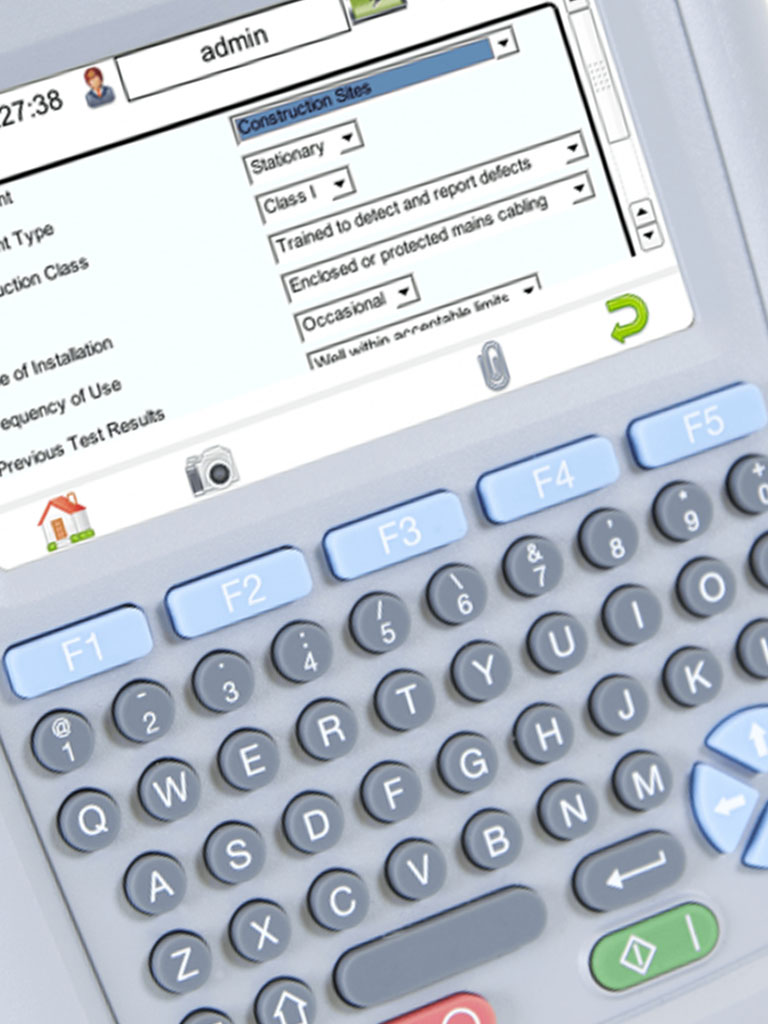
The process typically begins with a visual inspection of the appliance, plug and cable. Our technicians then carry out appropriate electrical tests using specialist equipment. Depending on the appliance, these may include earth continuity, insulation resistance and lead polarity checks.
Following testing, our technicians label each appliance to indicate its result. Equipment that passes receives a pass label with relevant identification and testing details. However, if an appliance fails, we clearly identify the fault and advise that it should not be used until a competent person has repaired it or confirmed it is safe.
Once testing is complete, SCT provides a detailed asset register and test results for the equipment inspected. As a result, you can monitor appliance safety, identify faults and plan future inspections more effectively.
Why Is PAT Testing Important for Businesses?
Employers and other duty holders have a legal responsibility to ensure electrical equipment is maintained in a safe condition. PAT testing is a widely recognised and effective way to help businesses meet these responsibilities by identifying potential electrical faults before they cause harm.
In Northern Ireland, the Health and Safety at Work (Northern Ireland) Order 1978 and the Electricity at Work Regulations (Northern Ireland) 1991 establish important electrical safety duties. Regular equipment inspections and appropriate testing can help businesses manage risks, protect employees and demonstrate a proactive approach to workplace safety.
Furthermore, professional PAT testing provides valuable records of equipment inspections and test results. These records can support your electrical safety management procedures and help identify appliances requiring attention.
The frequency of testing depends on the type of equipment, its working environment and how often it is used. SCT can help you establish a suitable PAT testing programme tailored to your business and its electrical safety requirements.
Who Should Carry Out PAT Testing?
A competent person with the appropriate knowledge, training and equipment should carry out electrical inspections and testing. This helps ensure accurate results and reliable safety assessments.
SCT is an NICEIC Approved Contractor, demonstrating our commitment to recognised electrical industry standards.
In addition, our technicians hold the City & Guilds 2377-77 Level 3 Certificate in the Code of Practice for In-Service Inspection and Testing of Electrical Equipment, providing specialist knowledge for professional PAT testing services.
PAT TESTING FOR BUSINESSES
One of the most common questions we receive from businesses is, “Do we need PAT testing?” The answer is that every employer has a legal responsibility to ensure the electrical equipment they provide is safe to use. PAT testing is one of the most widely recognised and effective ways to help businesses meet this responsibility, identifying potential faults and reducing electrical risks in the workplace.
From laptop chargers and office equipment to kitchen appliances and power tools, electrical items can develop faults through everyday use. Therefore, regular visual inspections and appropriate electrical testing play an important role in identifying potential hazards before they cause harm.
PAT testing for businesses offers several valuable benefits. It helps protect employees and visitors, reduces the risk of electrical accidents and identifies faulty equipment that may require repair or replacement. Furthermore, planned inspections can help businesses manage equipment safety more effectively.
In addition, maintaining accurate inspection and testing records provides useful evidence of your electrical safety management procedures. SCT delivers professional PAT testing services throughout Northern Ireland, helping businesses maintain safer workplaces and manage their electrical equipment responsibly.
What Happens if a Business Fails to Maintain Electrical Equipment Safely?
Employers who fail to meet their electrical safety responsibilities may face enforcement action, prosecution or financial penalties, depending on the circumstances. More importantly, unsafe electrical equipment can put employees, customers and visitors at risk of serious injury.
Regular equipment inspections, appropriate testing and prompt action on identified faults can help reduce these risks. SCT can advise your business on a suitable PAT testing programme based on your equipment, working environment and electrical safety requirements.
ACCREDITATIONS
& ASSOCIATIONS